
In the early 1960’s an orthopedic surgeon named Dr. P. Branemark, noted that a screw made of titanium that he placed temporarily into a bone, could not be removed after a number of months. Some may have passed over this observation, but he recognized this as an important discovery and founded the field of oseointegrated dental implants. Titanium, a strong material that was 100% biocompatible and capable of rapid healing in bone could be very useful. This discovery launched a successful 20-year study of the use of titanium implants in the field of dentistry. We have been using dental implants ever since. For over 40 years, the field has gone through many refinements and engineering improvements since the first implant designs.
What are Dental Implants?
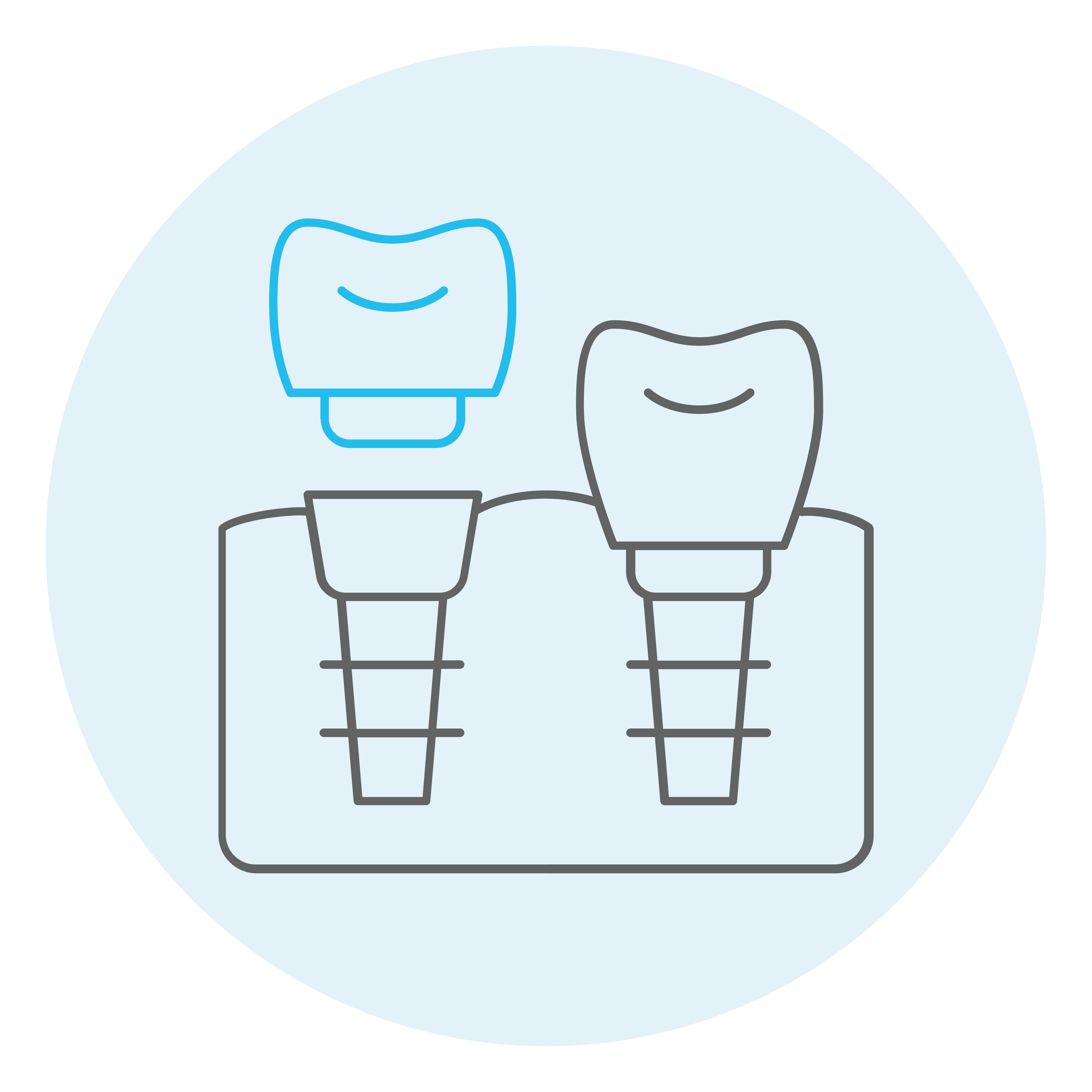
Dental implants are titanium constructed artificial root replacements that we can use to support dental crowns, bridges dentures, aid in orthodontic tooth movement and even support a full arch of replacement teeth with a solid, non-removable alternative to full dentures.
Implant supported restorations are stable, durable and can be made to be very natural looking. Implants are made of nearly pure Titanium, a very strong and wonderfully biocompatible material. Biocompatibility allows the bone to grow intimately onto and fuse to the implant. Internal attachment features in the implant allow a connection to a crown or other prosthesis. This is often accomplished with a screw.
Implant restorative complex consists of 3 components:
- The implant in the bone (the anchor).
- The implant/restoration interface (the abutment).
- The restoration (crown, bridge, denture).
Why have your implant supported prosthesis at Westmount Dental Care?
- We use leading technology.
- We have decades of experience.
- We use only the highest quality implants and related technologies.
- We can customize the use of implants to your specific situation.
- We work with an exceptional team of implant specialists.
- We have a long history of exceptional results.
The process: We work with a multidisciplinary team for best results.
- This starts with the restorative dentist. We want all cases to be visualized with the final restoration in mind. This way we have optimal grafting and implant placement ideally suited to you for maximum aesthetic value and longevity.
- Once we have a restorative plan, we choose our surgeon and implement the implant surgery according to the plan for the restorations. Implant placement prior to a restorative plan may result in a non-functional or unaesthetic restoration.
2. Treatment planning the case and coordination with the implant team
- First, we gather the necessary diagnostic data which could include x-rays, 3-D bone scans, mounted study models, wax-up of the trial restoration.
- Once we have a restorative plan, we then communicate this to the surgeon with a wax-up model, surgical guide and often with photographs.
3. Surgical preparation and implant placement
- Sometimes the surgical site has inadequate bone, which has to be enhanced with soft tissue or hard tissue grafting. This is determined by the restorative plan and the desired aesthetic result.
4. Healing phase with implant integration into bone
- Bone grafting can take 6 months to heal, and integration of the implant can take 3 or more months. Although it is often possible to place a crown on an implant in 6-8 weeks, a 3 month wait ensures a safety margin for maximal healing results.
- A well-placed implant or implant series, based on a thorough diagnosis and comprehensive restorative plan, results in a speedy and well executed restoration that is aesthetically attractive, functional and long lasting.
- Implants in a day: Sometimes we can place a temporary crown or prosthesis at the time of implant placement, in special cases.
Why have dental implants?
- Bone preservation: In the absence of a tooth root in bone, the bone will be lost to atrophy. This can cause changes in the bone and gum contour and result in an unattractive smile and a change in facial bone support and contour. Function on implants loaded with a crown will stimulate the bone and preserve the bone. This makes for a more aesthetic face and smile.
- Tooth replacement allows for improved chewing function, digestion and quality of life.
- Replacement of support and function in the bite occurs with dental implant restorations. This prevents overload and failure of the remaining teeth caused by missing teeth in the arch.
- Aesthetic transformation of the smile with solid implant supported crowns and bridges boosts self-confidence self-esteem.
- Tooth replacement allows for proper speech phonetics, eliminating lisps.
- Ability to be more conservative in treatment: When we don’t crown healthy teeth to make a bridge, we keep the work to the missing teeth only, and preserve the natural tooth structure.
- Cost Effective: Over time, we find implant restorations are much more cost effective than traditional bridge work.
How long do implants last?
- With good hygiene and home care, some implants can last a life time.
- Implants never decay, but as with natural teeth, gum disease can occur.
- Periimplantitis can cause loss of the implants, so ongoing hygiene and home care maintenance is a must, just like natural teeth.

Find the clinic
Westmount Dental Care
When you need us, we’ll be here. Just call us or click below “Book now” and one of our team members will contact you shortly.
Address
1 Westmount Square, Suite 420 Westmount, Quebec H3Z 2P9